

For years now, many parents have enjoyed giving shout-outs to their kids on social media sites. “Sharenting,” while usually well-intentioned, can come with some risks.
Oversharing can be undercaring. Youth today are at a much higher risk of cyberbullying, identity theft and exploitation. It’s simply the downside of our exponentially advancing technology, where social media platforms’ algorithms are insatiable.
While most of us certainly enjoy seeing photos of newborns, awards, graduations and the like, there are some parents who overshare. They negatively label their kids and shame them, post personal health issues, diagnoses, bad report cards, struggles with friends or body images, and worse. These kinds of posts can humiliate children, particularly tweens and teens. They lead to poor self-image, low self-worth, self-harm, addictions, as well as damaging the parent-child relationship.
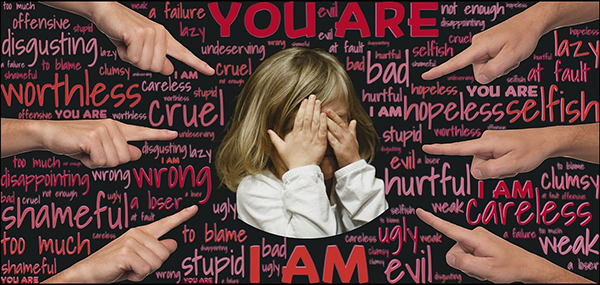
“Shame is the silent killer of potential.” — Anonymous
More than 75% of parents share information about their children, mostly to connect with family and friends in an expeditious manner. This statistic is according to a 2021 survey by Security.org. The study also found that 80% had followers whom they did not know nor had met. Further, 81% had used their children’s names and less than 25% had their children’s consent to post.
It is a basic human need to connect, to belong, to have a community, and get validation for good parenting. One never knows into whose hands a seemingly minute detail in a photo or video (a school name, a church, a geotag) can be extrapolated into abuse. And with AI, “fakes” can be created from photos and videos.
As we struggle to hold decision makers and executives of social media corporations more accountable, the responsibility rests with parents at this moment to think carefully about that next post and how it can affect their children. “Parenting influencers” can unfortunately end up creating a more business-driven than a nurturing, supportive family dynamic, coercing minors to perform in order to increase their profit margin. Children, who cannot give consent, can begin to feel like widgets.
Keneisha Sinclair-McBride, PhD, a clinical child psychologist and associate chief of integrated behavioral health at Boston Children’s Hospital, states: “Children can’t fully consent, but we should talk to them about it. Asking for their assent establishes early habits of respect.” A child’s feelings and emotional safety can then be the priority.
I offer a complimentary 15-minute phone consultation to anyone who wishes to make a positive change in their life. Please get in touch to schedule your call.
“We live in a world where most people still subscribe to the belief that shame is a good tool for keeping people in line. Not only is this wrong, but it’s dangerous.” — Dr. Brené Brown